

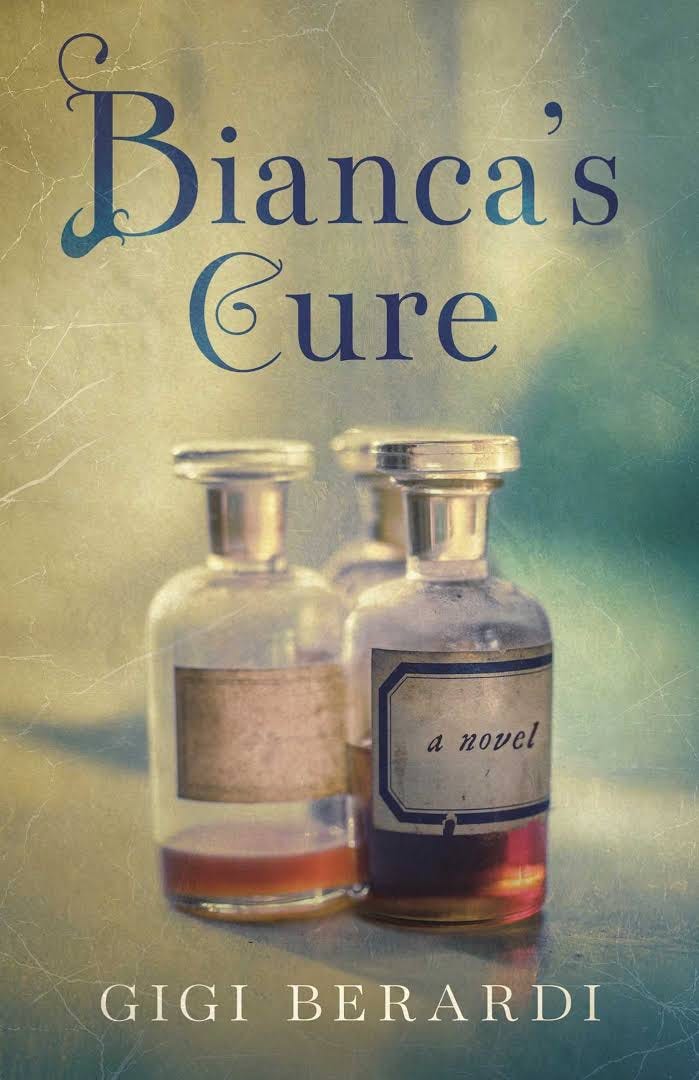
Let’s begin with a reminder: Renaissance Florence was not just a stage for “palace intrigue” or another plush setting for historical romance. It was, and remains, the very heart of Western scientific and artistic transformation—a city where humanism, reason, and experiment converged, and where the Medici court was as likely to fund a new telescope as a new chapel. To understand “Bianca’s Cure” in 2025 means wrestling not with gilded distractions, but with the paradox Florence embodied: tradition colliding with invention, and genuine opportunities for advancement—if you could seize them.
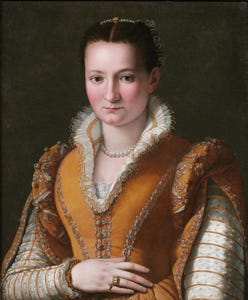
Bianca Capello: Outlier or Omen?
Gigi Berardi’s “Bianca’s Cure” positions its protagonist as more than a romantic footnote. Bianca was a real figure: born into the Venetian aristocracy, she fled an arranged marriage, arriving in Florence at a moment when the city led the world in scientific inquiry and classical rediscovery. Berardi’s Bianca is not content with passivity. The book foregrounds her obsession with practical science—artemisia and her pursuit of a cure for malaria (then, as now, a problem defined as much by politics as by medicine). The Medici, to their credit, put alchemy and empirical “science” side by side in the palace. For women, though, intellectual ambition was dangerous work.
Early reviews call Berardi’s story “imaginative and persuasive,” highlighting Bianca’s intelligence and the Florentine setting, where innovation and suspicion existed, especially for non-conforming women like Bianca.
Power, Poison, and the Real Risks of Science
Florence was a republic (not a kingdom), but power was not distributed evenly, and Bianca’s trajectory—through the Medici court and ultimately to the Grand Duchess’s seat—was always provisional, always fraught. Is Berardi’s novel a love story? Perhaps, but only in the sense that all stories of survival are love stories—love for knowledge, power, and staying alive. The relationship between Bianca and Francesco is complicated: at times passionate, yes, but inseparable from realpolitik, mutual ambition, and the ever-present threat of violence.
Malaria was killing the Medicis, but the danger of poison never left Florence’s air—recent forensic studies have found both arsenic and malaria’s trace in the bones of these figures. Bianca’s own remains, notably, disappeared—one final erasure that raises questions the novel refuses to tie off neatly.
The Stakes: Science, Sexism, and the Risks of Telling Women’s Stories
What is most valuable in “Bianca’s Cure” is its frank depiction of the risks undertaken by its protagonist. Berardi doesn’t cheapen Bianca’s scientific drive. The book’s reviewers call her “selfish,” unaffectionate, even cold. But what else do you call a woman who chooses discovery over duty, who pursues knowledge instead of weaving herself into a domestic tapestry? Florence allowed such ambition—just—and the novel’s Florence is rendered in all its heat and peril, from laboratory to bedchamber.
If you’re looking for a feel-good story of feminine empowerment, you may not find it here. Instead, you’ll find a confrontation with the limits of will and the costs of refusing to recede into the shadows. Bianca’s determination is not sanitized for modern consumption. The ending—like the history it’s built on—is unsatisfying, more ambiguous than triumphant. Sometimes, the pursuit of truth demands everything, and the world looks away.
We’re especially excited to share this one. Bianca’s Cure is set in our own backyard—Renaissance Florence—and it brings together everything we love: the city’s history, the heat of the Medici court, and a woman determined to practice real science.
In Bianca’s Cure, a Venetian noblewoman slips the noose of an arranged marriage and vanishes into Florence. She marries a clerk for cover, studies where knowledge lives, and grinds artemisia in the hope of breaking a killing fever.
At the Medici court she becomes the duke regent’s mistress. In rooms bright with fresco dust and furnace light, medicine and poison look dangerously alike.
In Florence, even remedies require a reckoning.
Books don’t rise on merit alone. They rise because readers like you refuse to let algorithms bury them. Early reviews guide other readers and signal to the systems that a book is worth showing.If you want small, daring work to survive the machine, add your voice with a thoughtful review. Aim for a short paragraph: what worked for you, the voice and atmosphere, Bianca’s scientific drive, the Florence and Medici texture, and why it mattered.
You can review on Goodreads whenever you like. Retailer reviews open February 10, 2026.